
Industrial Solar Solutions: The Future of Sustainable Manufacturing
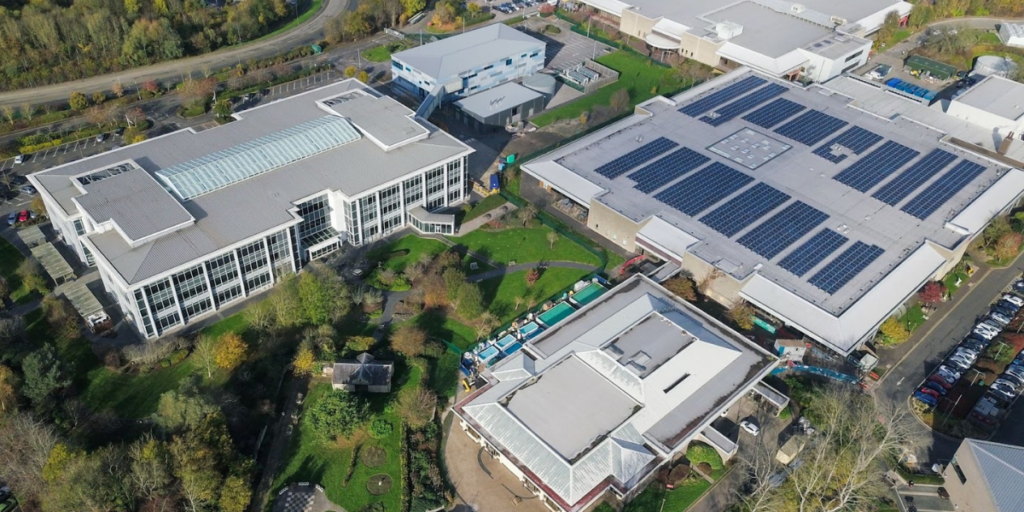
Blog HOME BLOG Understanding 2025 Solar Incentives and Subsidies for Industries Industrial Solar Solutions: The Future of Sustainable Manufacturing In an era where energy costs are skyrocketing and environmental sustainability is no longer optional but essential, industrial solar solutions are transforming the way manufacturers power their operations. From heavy production units to large-scale factories, adopting solar energy is not just a smart financial decision — it’s a strategic move towards a greener, more efficient future. Why Solar Energy Matters for Industry Traditional energy sources like fossil fuels are not only expensive but also contribute significantly to carbon emissions. Manufacturing sectors, which consume massive amounts of energy daily, face increasing regulatory pressure to reduce their carbon footprint. This is where solar power for industrial use steps in as a practical and impactful solution. Key Benefits of Industrial Solar Solutions Significant Cost Savings – Solar installations help industries reduce their electricity bills drastically by generating clean energy on-site. Energy Independence – Industries become less dependent on grid power and vulnerable price fluctuations. Environmental Compliance – Adoption of solar helps companies meet sustainability goals and adhere to stringent global emission standards. Long-Term ROI – With government incentives and rapid payback periods, industrial solar proves to be a sound investment. Improved Corporate Image – Demonstrating commitment to sustainability enhances brand reputation among consumers and stakeholders. What Are Industrial Solar Solutions? Industrial solar solutions are customized solar systems designed to meet high energy demands specific to manufacturing units and industrial facilities. These typically include: Large-Scale Rooftop Solar Installations Ground Mounted Solar Arrays Solar Carports Hybrid Solar + Battery Storage Systems Net Metering Setup for Grid Support Each system is engineered to maximize energy output, reduce downtime, and ensure consistent power supply — especially important for manufacturing lines that cannot afford interruptions. Types of Industrial Solar Installations Rooftop Solar for Factories Installing solar panels on expansive factory rooftops is one of the most cost-effective industrial solar strategies. These systems can significantly offset grid electricity usage without requiring additional land. Ground Mounted Solar Farms Where rooftop space is limited, ground mounted solar arrays offer flexibility and scalability. They are ideal for large industrial complexes looking to generate maximum solar power. Hybrid Solar + BESS Solutions Integrating Battery Energy Storage Systems (BESS) with solar helps industries store excess energy for night-time usage, increasing reliability and reducing dependency on conventional backup generators. Industrial Solar Installation in Pune — A Strategic Advantage Pune, known for its thriving manufacturing ecosystem, is rapidly embracing renewable energy. With abundant sunshine throughout the year, industrial solar installation in Pune offers compelling benefits: Higher Solar Yield – Pune’s climate supports robust solar generation. Government Support – Incentives, rebates, and favorable net metering policies accelerate ROI. Reduced Operational Costs – Manufacturers in Pune can cut energy bills substantially by switching to solar. Sustainable Brand Positioning – Solar adoption strengthens corporate social responsibility (CSR) credentials. Companies across Pune are now investing in solar to future-proof their operations and stay competitive in global markets. How Ztric Makes Industrial Solar Easier At Ztric, we specialize in industrial solar solutions that are: Tailored to Your Energy Needs High-Efficiency & Low-Maintenance Compliant with Local Regulations Equipped with Smart Monitoring Recent Post Industrial Solar Solutions: The Future of Sustainable Manufacturing Learn more Understanding 2025 Solar Incentives and Subsidies for Industries Learn more The Rise of OPEX Solar Models: Affordable Clean Energy for All Learn more
Understanding 2025 Solar Incentives and Subsidies for Industries

Blog HOME BLOG Understanding 2025 Solar Incentives and Subsidies for Industries Understanding 2025 Solar Incentives and Subsidies for Industries As we step into 2025, the focus on renewable energy continues to grow, with governments around the world introducing new incentives and subsidies to encourage industries to adopt solar energy. These programs are designed to make solar installations more affordable and accessible, especially for industrial setups. If you’re an industrial business owner considering a shift to solar power, this blog will help you understand the benefits and financial support available in 2025. Why Choose Solar Energy for Industries? Before diving into incentives, let’s quickly look at why industries should consider going solar: Lower Electricity Bills: Solar panels generate electricity, reducing dependence on expensive grid power. Energy Independence: Solar systems provide consistent energy, protecting industries from rising electricity costs. Environmental Benefits: Solar energy reduces carbon emissions, helping industries meet sustainability goals. Improved Brand Image: Customers and stakeholders appreciate businesses that prioritize clean energy solutions. Key Solar Incentives and Subsidies for Industries in 2025 Central Financial Assistance (CFA) for Solar Projects The Ministry of New and Renewable Energy (MNRE) provides financial assistance to industries for installing rooftop and ground-mounted solar systems. Subsidy Amount: For capacities up to 500 kW: Subsidy of up to 40%. For capacities above 500 kW: Subsidy of up to 20%. Eligibility: Industries and businesses that install grid-connected solar systems are eligible for this subsidy. 2. Tax Benefits Under Section 80-IA Industries investing in solar power plants can enjoy tax exemptions under Section 80-IA of the Income Tax Act. Benefit: 100% tax exemption on profits generated from solar energy for the first 10 years of operation. 3. Accelerated Depreciation Benefit Industries installing solar systems can claim accelerated depreciation. Rate: Businesses can claim up to 40% depreciation in the first year of installation. Benefit: This reduces taxable income, helping businesses save on taxes. 4. State-Specific Subsidies In addition to central government schemes, many Indian states offer their own subsidies for industrial solar projects. Examples: Maharashtra: Offers net metering and incentives for rooftop solar. Gujarat: Provides additional financial support for large-scale industrial solar installations. 5. Renewable Energy Certificates (RECs) Industries generating excess solar power can sell it to other businesses through RECs. Benefit: This provides an additional source of income while contributing to a greener grid. 6. Loans and Financing Options To make solar installation affordable, several public and private banks offer low-interest loans for solar projects. Example: The Indian Renewable Energy Development Agency (IREDA) provides loans specifically for renewable energy projects, including solar installations. How Ztric Can Help At Ztric, we specialize in providing tailored solar solutions for industries. Here’s how we assist: End-to-End Support: From system design to installation and maintenance, we handle everything. Expert Guidance on Subsidies: Our team stays updated with the latest government policies and ensures you avail maximum benefits. Customized Solutions: We design systems that meet your specific energy requirements. Hassle-Free Approvals: We assist with the paperwork and approvals needed for claiming subsidies and incentives. Steps to Get Started with Solar Energy Assessment: Evaluate your energy needs with the help of a solar expert. Explore Incentives: Check for subsidies, tax benefits, and net metering options in your region. Partner with Experts: Work with a trusted solar company like Ztric for a smooth installation process. Apply for Incentives: Submit the necessary documents to claim subsidies and tax benefits. Conclusion Switching to solar energy in 2025 is not only an environmentally conscious decision but also a smart financial move for industries. With the right incentives and subsidies, the initial investment becomes significantly lower, and the long-term savings are substantial. At Ztric, we’re committed to making your transition to solar seamless and rewarding. Let’s work together to harness the power of the sun and build a greener future for your industry. Contact us today to learn more about industrial solar solutions and the 2025 incentives! Recent Post The Rise of OPEX Solar Models: Affordable Clean Energy for All – Copy Learn more The Rise of OPEX Solar Models: Affordable Clean Energy for All Learn more Battery Energy Storage Systems: Powering Industrial Needs for a Sustainable Future Learn more
The Rise of OPEX Solar Models: Affordable Clean Energy for All

Blog HOME BLOG The Rise of OPEX Solar Models: Affordable Clean Energy for All The Rise of OPEX Solar Models: Affordable Clean Energy for All As the global push for sustainable energy solutions intensifies, solar power has emerged as a key player in the transition to clean energy. However, one of the persistent challenges for individuals, businesses, and industries has been the high upfront cost associated with setting up solar power systems. Enter the OPEX (Operational Expenditure) model—a game-changer that is making solar energy more accessible, affordable, and scalable for everyone. At Ztric, we are committed to driving this revolution, empowering communities and businesses to harness the power of the sun without the financial strain of ownership. Here’s an in-depth look at the OPEX solar model and why it’s reshaping the renewable energy landscape. What Is the OPEX Solar Model? The OPEX (Operational Expenditure) model is a solar-as-a-service framework where a third-party investor owns and operates the solar power system. Instead of purchasing the solar infrastructure outright, customers—be it individuals, businesses, or industries—pay for the electricity generated by the system on a per-unit basis, much like a conventional electricity bill. This eliminates the need for heavy upfront investment, maintenance costs, and technical expertise. It’s a win-win arrangement that benefits both the service provider and the end user. Why OPEX Models Are Gaining Popularity Enhanced Energy EfficiencyBy integrating battery storage, industries can optimize their energy use, storing excess energy during low-demand periods and using it during peak demand times. This not only cuts down on energy expenses but also reduces the need to draw from the grid when electricity prices are high. Improved Reliability and ResilienceUninterrupted power is vital for industrial processes, especially in sectors where downtime leads to significant losses. BESS provides a backup, ensuring a continuous power supply in case of grid failures or fluctuations, and enabling industries to maintain productivity. Cost SavingsWith energy prices rising, battery storage offers an economic solution by allowing industries to avoid peak demand charges. By storing energy and using it during high-rate periods, companies can achieve considerable cost savings. Environmental Sustainability By reducing reliance on grid power, BESS helps industries lower their carbon emissions, a critical step in meeting sustainability goals. In combination with renewable energy sources, like solar power installed by Ztric, battery storage maximizes green energy utilization and minimizes environmental impact. 3. Applications of Battery Energy Storage Systems in Industrial Settings The rise of the OPEX model can be attributed to several compelling factors: 1. No Upfront Costs Traditional solar installations require significant capital investment, which often discourages smaller businesses and residential users. The OPEX model removes this barrier by allowing customers to enjoy solar power without purchasing the infrastructure. 2. Pay-as-You-Go Flexibility Customers only pay for the electricity they use, making this model financially predictable and manageable. This is especially beneficial for industries with fluctuating energy demands. 3. No Maintenance Hassles Under the OPEX model, the responsibility for system installation, operation, and maintenance lies with the service provider. At Ztric, we ensure that our systems operate at peak efficiency, providing uninterrupted clean energy to our clients. 4. Energy Cost Savings Solar energy under an OPEX arrangement is typically more cost-effective than grid power, helping businesses and individuals save significantly on their energy bills. 5. Scalability The OPEX model allows users to scale up their energy usage easily without worrying about additional infrastructure costs, making it ideal for growing businesses. 6. Environmental Impact By adopting the OPEX model, users contribute to reducing greenhouse gas emissions and support the transition to a greener planet without the burden of infrastructure ownership. How Ztric is Leading the OPEX Solar Revolution At Ztric, our mission is to make clean energy accessible and affordable for all. Through our innovative OPEX solutions, we provide tailored solar systems designed to meet the unique energy needs of our clients. Here’s how we are making a difference: 1. Customized Solutions We analyze your energy consumption patterns to design a solar power system that meets your specific requirements. Whether it’s a commercial property, a factory, or a residential complex, Ztric has you covered. 2. End-to-End Management From system installation to maintenance and monitoring, Ztric takes care of everything. Our advanced monitoring systems ensure optimal energy production, while our maintenance services keep the systems running efficiently. 3. Cost-Effective Energy Our competitive pricing model ensures that you save on energy costs from day one. With Ztric’s OPEX model, you only pay for what you use—no hidden charges, no extra costs. 4. Sustainability Commitment By choosing Ztric, you’re not just opting for affordable energy—you’re joining a movement toward sustainability. Every kilowatt-hour of solar energy you consume helps reduce the carbon footprint and combat climate change. Industries and Communities Benefiting from OPEX Solar The OPEX solar model is versatile and has found applications across various sectors, including: Manufacturing Units: Industries with high energy demands benefit significantly from reduced energy costs and enhanced sustainability. Commercial Complexes: Businesses in retail, hospitality, and offices enjoy uninterrupted power supply with minimal investment. Residential Communities: Apartment complexes and gated communities can harness solar energy without the burden of installation and maintenance. Agriculture: Farmers can power irrigation systems and other agricultural equipment, promoting sustainable farming practices. The Future of Solar Energy with OPEX Models The OPEX solar model represents a paradigm shift in how we think about energy ownership and consumption. By democratizing access to solar power, this model is accelerating the adoption of renewable energy worldwide. As policymakers and financial institutions increasingly support such frameworks, the future looks bright for solar energy enthusiasts. At Ztric, we envision a world where clean energy is not just a luxury but a basic right. Our OPEX solar solutions are designed to bring this vision to life, one rooftop at a time. By partnering with us, you’re not just investing in affordable energy—you’re investing in a sustainable future for generations to come. Ready to Make the Switch? If you’re ready to embrace the power of solar energy without the upfront costs, get in touch with
Battery Energy Storage Systems: Powering Industrial Needs for a Sustainable Future

Blog HOME BLOG Battery Energy Storage Systems: Powering Industrial Needs for a Sustainable Future Battery Energy Storage Systems: Powering Industrial Needs for a Sustainable Future As industries grow, so does the demand for reliable, efficient, and sustainable energy. Traditional grid power, while widely used, faces challenges in meeting the energy needs of large-scale industrial operations. That’s where battery energy storage systems (BESS) come into play. These systems store energy and make it available when needed, offering a powerful solution for industries striving to be more energy-efficient, self-reliant, and sustainable. Ztric, a leader in solar solutions, is committed to helping industries leverage these systems for optimized energy usage, cost savings, and environmental benefits. 1. The Importance of Battery Energy Storage in Industrial Settings Battery energy storage systems (BESS) provide a buffer that industries can rely on during peak hours or outages, helping to balance supply and demand efficiently. They are essential for reducing dependency on grid power, allowing companies to manage energy costs better, reduce their carbon footprint, and enhance power reliability. With growing concerns about energy availability and rising utility costs, BESS plays a critical role in helping industries meet their energy needs sustainably. 2. Benefits of Battery Energy Storage for Industries Enhanced Energy EfficiencyBy integrating battery storage, industries can optimize their energy use, storing excess energy during low-demand periods and using it during peak demand times. This not only cuts down on energy expenses but also reduces the need to draw from the grid when electricity prices are high. Improved Reliability and ResilienceUninterrupted power is vital for industrial processes, especially in sectors where downtime leads to significant losses. BESS provides a backup, ensuring a continuous power supply in case of grid failures or fluctuations, and enabling industries to maintain productivity. Cost SavingsWith energy prices rising, battery storage offers an economic solution by allowing industries to avoid peak demand charges. By storing energy and using it during high-rate periods, companies can achieve considerable cost savings. Environmental Sustainability By reducing reliance on grid power, BESS helps industries lower their carbon emissions, a critical step in meeting sustainability goals. In combination with renewable energy sources, like solar power installed by Ztric, battery storage maximizes green energy utilization and minimizes environmental impact. 3. Applications of Battery Energy Storage Systems in Industrial Settings Battery energy storage systems offer diverse applications tailored to industrial needs. Here’s how industries can utilize BESS to support various operations: 1. Electric Vehicle (EV) Charging Stations As the demand for electric vehicles grows, industries need reliable EV charging infrastructure, which can be supported by BESS. By integrating battery storage with EV charging, companies can ensure an uninterrupted supply of power for fleets or employee vehicles, reducing strain on the grid and charging costs. Ztric’s solutions allow companies to build scalable, energy-efficient charging networks, with battery storage providing power during high-demand periods. 2. Off-Grid Solar Installations For industries in remote locations, access to reliable grid power can be challenging. Off-grid solar installations paired with BESS enable these companies to generate and store their own electricity, ensuring a steady power supply. By partnering with Ztric, companies can set up solar systems with BESS to support continuous operations, even in off-grid locations, reducing reliance on costly diesel generators and enhancing sustainability. 3. Uninterruptible Power Supply (UPS) Systems Industrial facilities often have critical processes that cannot afford interruptions. Battery storage integrated with UPS systems ensures power continuity during outages, protecting valuable equipment and data. BESS can provide a robust backup system, delivering immediate power during grid failures and maintaining operations until regular power is restored. This not only prevents costly downtime but also safeguards sensitive equipment and processes. 4. The Role of Ztric in Battery Energy Storage Solutions As a trusted solar solutions provider, Ztric is committed to helping industries transition to a more sustainable energy future. We understand that each industry has unique energy requirements, and we offer tailored BESS solutions to meet these needs effectively. Our team works closely with businesses to design, install, and maintain battery energy storage systems that optimize energy usage, support green initiatives, and enhance operational efficiency. 5. Why Choose Ztric? Expertise in Renewable EnergyWith years of experience in solar and battery storage installations, Ztric ensures reliable, high-performance solutions customized for industrial needs. Cost-Effective SolutionsOur focus is not only on delivering sustainable energy but also on helping industries achieve significant cost savings. By combining solar and BESS, Ztric enables companies to maximize energy savings while minimizing environmental impact. Comprehensive SupportZtric offers end-to-end services, from initial consultation and design to installation and maintenance. Our experts ensure that each BESS solution is tailored to optimize energy consumption, reduce costs, and achieve sustainability goals. 6. A Sustainable Future with Battery Energy Storage Battery energy storage systems represent a future where industries can operate with greater energy efficiency, reliability, and environmental responsibility. Ztric is proud to support industries in this journey, offering cutting-edge BESS solutions that align with the demands of modern industrial operations and contribute to a greener planet. As the shift towards sustainable energy accelerates, Ztric is dedicated to helping industries harness the power of battery storage for a more resilient, cost-effective, and sustainable future. With BESS, industries can confidently navigate the challenges of energy demand, cost, and environmental impact, leading the way towards a cleaner, greener tomorrow. Recent Post Battery Energy Storage Systems: Powering Industrial Needs for a Sustainable Future Learn more Ground-Mounted Solar Panels: Ideal Solutions for Large Industrial Complexes Learn more Choosing the Right Solar Panel System for Your Industry Learn more
Ground-Mounted Solar Panels: Ideal Solutions for Large Industrial Complexes

Blog HOME BLOG Ground-Mounted Solar Panels: Ideal Solutions for Large Industrial Complexes Ground-Mounted Solar Panels: Ideal Solutions for Large Industrial Complexes As industries continue to adopt sustainable practices, solar energy has emerged as a powerful solution for reducing carbon footprints while optimizing energy costs. While rooftop solar installations are popular, many large industrial complexes are now opting for ground-mounted solar panels. These systems provide several advantages that make them the ideal choice for industries with larger space availability. In this blog, we will explore the unique benefits of ground-mounted solar systems and how they offer a flexible, scalable, and efficient energy solution for industrial applications. 1. Maximizing Unused Land: A Smart Utilization of Space One of the most significant advantages of ground-mounted solar systems for large industrial complexes is the ability to make use of vast, unused land. Industrial facilities often have surrounding land that remains unused or underutilized. Ground-mounted solar panels offer the perfect opportunity to convert this space into a productive energy-generating asset. By leveraging ground-mounted systems, industries can significantly reduce their dependence on grid electricity, generate their own renewable power, and even sell excess energy back to the grid in certain jurisdictions. The large expanse of land allows for more solar panels to be installed, thereby increasing the total energy production, which is essential for industries with high energy demands. 2. Installation Flexibility Unlike rooftop solar systems, which are constrained by the size and condition of the roof, ground-mounted solar systems offer unmatched flexibility. Industrial roofs may not always be suitable for solar installations due to factors such as weight limits, shading issues, or structural integrity. Ground-mounted panels, on the other hand, can be installed almost anywhere there is ample land, allowing industries to choose the most optimal location for capturing sunlight. Moreover, ground-mounted systems offer the flexibility to adjust the tilt and orientation of the panels to maximize solar energy absorption based on the geographical location. This flexibility ensures that the system operates at peak efficiency, capturing the most sunlight throughout the day and across seasons. 3. Scalability to Meet Growing Energy Demands As industrial operations grow, so do their energy needs. Ground-mounted solar systems are highly scalable, making them an excellent choice for industries that anticipate future expansion. With ground-mounted installations, it is easier to expand the solar array by adding more panels as needed, without the limitations imposed by the roof’s size or condition. This scalability is especially beneficial for industries with fluctuating or growing energy requirements, as they can gradually increase their solar capacity to match their energy consumption patterns. Additionally, ground-mounted systems can be integrated with other renewable energy solutions, such as energy storage, to further enhance energy independence and efficiency. 4. Higher Energy Efficiency and Output Ground-mounted solar panels generally perform better than rooftop systems in terms of energy efficiency. Since they are not restricted by the angles and surface of a roof, they can be positioned to capture sunlight more effectively throughout the day. This improved positioning leads to higher energy output, which is particularly advantageous for industries with substantial energy consumption. Additionally, ground-mounted solar systems typically have better cooling compared to rooftop panels. Solar panels operate more efficiently at cooler temperatures, and the airflow beneath ground-mounted panels allows for natural cooling, which enhances their overall performance. For industries operating in warmer climates, this can lead to noticeable gains in energy efficiency and output. 5. Lower Maintenance and Easy Access Maintenance is an important consideration for any solar installation, and ground-mounted systems offer distinct advantages in this regard. Unlike rooftop systems, which may require specialized equipment and access to hard-to-reach areas, ground-mounted panels are easily accessible, simplifying routine maintenance tasks such as cleaning, inspections, and repairs. The ease of access reduces maintenance time and costs, allowing industries to keep their solar systems operating at optimal performance with minimal disruption to their operations. Moreover, ground-mounted solar installations are often designed with the future in mind, making it easy to replace or upgrade components as technology evolves, without the limitations posed by roof structures. 6. Reducing the Risk of Roof Damage Rooftop solar installations, while beneficial, come with certain risks. Over time, panels installed on the roof can lead to wear and tear, potentially damaging the roof structure. Ground-mounted systems eliminate this risk entirely, as they do not interfere with the integrity of the roof. For industries with aging or delicate roofing systems, opting for ground-mounted solar installations can prevent potential damage while still reaping the benefits of solar energy. Additionally, by keeping the roof free of installations, industries can preserve their building’s warranty and avoid any complications that might arise from roofing repairs or replacements. 7. Optimal for Solar Tracking Systems Ground-mounted solar systems can be easily integrated with tracking technology to further enhance their efficiency. Solar trackers allow the panels to follow the sun’s movement throughout the day, ensuring that they capture the maximum amount of sunlight possible. This dynamic positioning can significantly increase energy production compared to stationary panels, especially in areas with high solar irradiance. While solar trackers are also available for rooftop systems, their installation is much more practical and cost-effective in ground-mounted applications due to the additional space and ease of installation. 8. Enhanced Aesthetic and Environmental Benefits Beyond the technical advantages, ground-mounted solar systems contribute to a more environmentally friendly industrial operation. By reducing reliance on non-renewable energy sources, industries can significantly lower their carbon footprint and demonstrate a commitment to sustainability. This can enhance the company’s reputation and attract environmentally conscious clients and partners. In terms of aesthetics, ground-mounted solar systems are generally less intrusive than rooftop panels. They can be strategically placed away from buildings or key operational areas, minimizing any visual impact on the industrial complex. 9. Cost-Effectiveness in the Long Run Although the initial installation cost of ground-mounted solar systems may be higher than rooftop systems, they often prove more cost-effective in the long run. The ability to scale the system, optimize energy production, and reduce maintenance costs all contribute
Choosing the Right Solar Panel System for Your Industry

Blog HOME BLOG Choosing the Right Solar Panel System for Your Industry Choosing the Right Solar Panel System for Your Industry As industries across the globe shift towards sustainable energy solutions, solar power has become an increasingly popular choice. For businesses in sectors like manufacturing, logistics, IT, and more, selecting the right solar panel system is critical to maximising energy efficiency and cost savings. At Ztric, we specialise in tailored solar panel installations for commercial and industrial areas, helping businesses reduce their carbon footprint while optimising operational costs. Here’s a guide to help you choose the right solar solution for your industry, taking into account factors such as energy consumption, available space, and budget considerations. 1. Manufacturing Sector: Meeting High Energy Demands Manufacturing facilities often operate large-scale machinery, leading to substantial energy consumption. For this sector, a solar panel system needs to be robust and capable of producing significant amounts of electricity to meet daily operational demands. Key Considerations: Energy Consumption: High energy needs require a larger solar system, possibly with battery storage to ensure uninterrupted power supply. Roof or Ground Space: Factories typically have large, flat rooftops or open ground areas, providing ample space for solar installations. Budget: While the initial investment may be higher due to the system size, the long-term savings from offsetting electricity bills make solar power highly cost-effective for manufacturers. 2. Logistics and Warehousing: Leveraging Large Roof Spaces Logistics and warehousing facilities usually have expansive rooftops, making them ideal for solar installations. These businesses often have moderate energy needs but can benefit greatly from solar power due to the vast surface area available for solar panels. Key Considerations: Energy Consumption: While energy use is not as high as in manufacturing, logistics centers still benefit from solar to power lighting, temperature control, and machinery. Space Availability: Large rooftops offer excellent opportunities for extensive solar installations, reducing reliance on the grid. Budget: Installing solar systems on warehouses can provide quick returns on investment by significantly cutting operational costs. 3. Information Technology (IT) Industry: Supporting Sustainability Goals The IT industry, especially data centers, consumes a significant amount of energy. As the industry focuses on sustainability and energy efficiency, integrating solar energy solutions can help reduce operational costs and promote eco-friendly business practices. Key Considerations: Energy Consumption: Data centers, in particular, have high and constant energy demands, making solar systems with battery backup crucial. Space Availability: IT companies may not always have large rooftop areas, but ground-mounted systems or solar carports could be viable alternatives. Budget: Although IT firms may face higher upfront costs for solar panels with backup systems, the long-term benefits, such as cost savings and green credentials, outweigh the investment. 4. Retail and Commercial Spaces: Reducing Operational Costs Retail stores and commercial complexes often face high utility bills due to heating, cooling, and lighting. Solar power offers a great way to cut these recurring costs while promoting a greener brand image. Key Considerations: Energy Consumption: Retail businesses have moderate energy needs, primarily for lighting, HVAC systems, and appliances. Space Availability: Commercial buildings may have limited rooftop space, but solar installations can still be implemented on smaller scales, like carports or integrated with building facades. Budget: Retailers can start small with solar systems and scale as needed, with solar solutions offering a faster return on investment by reducing energy costs. 5. Agriculture: Powering Farms and Greenhouses Agriculture requires power for irrigation, machinery, and refrigeration. By using solar energy, farms can significantly reduce reliance on fossil fuels, lowering operational costs and ensuring a reliable power supply even in remote areas. Key Considerations: Energy Consumption: Farms with water pumps, cold storage, and processing units can have high energy needs. Space Availability: Farms and greenhouses typically have ample open space, allowing for large-scale ground-mounted solar panels. Budget: Government subsidies and incentives make solar installations affordable for agricultural businesses, helping to reduce upfront costs. 6. Hospitals and Healthcare: Ensuring Uninterrupted Power Supply Hospitals have critical energy demands, needing uninterrupted power to run medical equipment, maintain temperatures, and provide lighting. Solar power, paired with reliable energy storage solutions, can ensure continuous power supply even during grid outages. Key Considerations: Energy Consumption: The energy demand in healthcare facilities is constant, making a reliable solar system with backup essential. Space Availability: Many hospitals have large rooftops or adjacent land, ideal for installing solar panels. Budget: Though hospitals may need a larger initial investment, the energy savings and reliability of solar make it a worthwhile investment in the long run. Factors to Consider When Choosing the Right Solar Panel System: Energy Consumption: The size of your solar system depends on how much energy your business consumes. Larger industries like manufacturing and IT will need more extensive solar arrays compared to retail or small offices. Space Availability: Consider the space available for installation—be it rooftop, ground space, or solar carports. Industries with large rooftops, such as warehouses or factories, have the advantage of being able to install larger systems. Budget: Initial costs can vary depending on the size of the solar system, the complexity of installation, and any additional features like battery storage. However, the long-term energy savings and government incentives can help offset these costs. Energy Storage Needs: Depending on the industry, energy storage might be necessary to ensure constant power supply, especially for facilities like hospitals, data centers, or 24/7 manufacturing plants. Conclusion: Tailored Solar Solutions for Every Industry Choosing the right solar panel system requires careful consideration of your industry’s energy needs, available space, and budget constraints. At Ztric, we specialise in providing customised solar solutions that match your business’s specific requirements. Whether you’re looking to power a large manufacturing plant or a small commercial office, we have the expertise to design and install the perfect solar system that aligns with your operational goals. Let Ztric help your business transition to renewable energy and achieve sustainability while reducing operational costs. Contact us today to learn more! Recent Post Choosing the Right Solar Panel System for Your Industry Learn more Revolutionizing Solar Installation:
Revolutionizing Solar Installation: How Intelligent WindPro Mount™ 2.0 Enhances Durability and Efficiency
Blog HOME BLOG Revolutionizing Solar Installation: How Intelligent WindPro Mount™ 2.0 Enhances Durability and Efficiency Revolutionizing Solar Installation: How Intelligent WindPro Mount™ 2.0 Enhances Durability and Efficiency In the fast-evolving world of solar energy, innovation is crucial to optimize efficiency and durability. One groundbreaking advancement in solar panel installation technology is the Intelligent WindPro Mount™ 2.0, a system designed to enhance the structural integrity and performance of solar panels, particularly in industrial installations. As businesses in Pune and across India increasingly adopt solar energy, the right mounting technology is critical for maximizing the benefits of solar investments. What is Intelligent WindPro Mount™ 2.0? The WindPro Mount™ 2.0 is a state-of-the-art solar module mounting system that is engineered to withstand challenging weather conditions while optimizing energy capture. It integrates advanced design principles, materials, and technology to improve both the stability and efficiency of solar panels, making it ideal for industrial-scale installations. The system is designed to be highly adaptable, enabling its use across various environments and rooftop types, further extending the application of solar installations in diverse industrial settings. Key Features of WindPro Mount™ 2.0 Enhanced Wind Resistance A defining feature of the WindPro Mount™ 2.0 is its ability to withstand high wind speeds, a common challenge in rooftop solar installations. Its aerodynamic design reduces the wind uplift effect, ensuring that the panels remain secure even during extreme weather events. This minimizes the risk of panel displacement or damage, which could otherwise lead to costly repairs or downtime. Durable Materials Constructed from high-grade, corrosion-resistant materials, the WindPro Mount™ 2.0 is built to last. The use of stainless steel and aluminum alloys ensures that the mounting system can endure harsh environmental conditions, including intense heat, heavy rainfall, and coastal corrosion. This results in a longer lifespan for the entire solar installation, delivering better long-term returns on investment. Optimized Structural Integrity The WindPro Mount™ 2.0 is designed to distribute the weight of solar panels evenly across the installation surface. This not only reduces the stress on the roof but also enhances the overall structural integrity of the system. The mount is engineered to support a wide variety of solar panel sizes, ensuring flexibility in system design while maintaining optimal load distribution. Fast and Easy Installation One of the key benefits of the WindPro Mount™ 2.0 is its user-friendly design, which simplifies the installation process. The mounting system features fewer components, enabling faster installation times. This reduces labor costs and minimizes installation disruptions for businesses. For industrial solar projects, this means quicker deployment and a faster path to energy savings. Scalability and Versatility Whether you’re installing solar panels on a small commercial building or a large industrial factory, the WindPro Mount™ 2.0 offers scalable solutions. Its modular design allows it to be easily adapted to different roof types and installation sizes. This versatility makes it an ideal choice for a variety of industrial applications, including factories, warehouses, and office buildings. Smart Monitoring Integration The Intelligent WindPro Mount™ 2.0 is compatible with advanced monitoring systems that provide real-time data on the performance of the solar installation. This includes tracking metrics such as panel alignment, energy production, and structural performance. With smart monitoring, businesses can optimize their energy output and quickly address any performance issues. How WindPro Mount™ 2.0 Enhances Solar Installation Efficiency The intelligent design of the WindPro Mount™ 2.0 directly contributes to improved solar energy efficiency. By minimizing wind drag and enhancing the alignment of solar panels, this mounting system ensures that panels capture the maximum amount of sunlight. Its ability to maintain a stable panel positioning even in adverse weather conditions means fewer interruptions in energy production. Furthermore, the faster installation times and reduced maintenance needs offered by the WindPro Mount™ 2.0 lead to quicker returns on investment. Businesses can start benefiting from solar energy sooner, while long-term durability reduces the likelihood of costly repairs. Conclusion As the demand for renewable energy grows, solar technology continues to advance, offering businesses innovative solutions to maximize their energy efficiency. The Intelligent WindPro Mount™ 2.0 is a game-changer in the solar industry, combining superior durability, ease of installation, and enhanced energy performance. For industrial installations in Pune and beyond, this cutting-edge mounting system ensures that solar investments deliver both short-term savings and long-term benefits. At Ztric, we are proud to integrate this revolutionary technology into our solar installations, helping businesses achieve energy independence and sustainability with the best tools available. For more information on how the Intelligent WindPro Mount™ 2.0 can improve your solar installation, get in touch with our experts at Ztric today. Recent Post Revolutionizing Solar Installation: How Intelligent WindPro Mount™ 2.0 Enhances Durability and Efficiency Learn more Innovative Solar Technologies for Industrial Applications: What to Expect in 2025 Learn more The Benefits of Industrial Solar Panels: Why Your Business Should Invest Now Learn more
Innovative Solar Technologies for Industrial Applications: What to Expect in 2025

Blog HOME BLOG Innovative Solar Technologies for Industrial Applications: What to Expect in 2025 Innovative Solar Technologies for Industrial Applications: What to Expect in 2025 As the world continues to push towards sustainable energy, the solar industry is gearing up for significant advancements, especially in the industrial sector. By 2025, we can expect cutting-edge technologies that will revolutionize the way industrial facilities harness solar energy. From highly efficient solar panels to intelligent inverters and advanced energy storage solutions, the future looks bright for industrial solar applications. 1. Improved Efficiency Solar Panels One of the most anticipated advancements in solar technology is the development of higher efficiency solar panels. Currently, the best commercially available panels offer efficiencies of around 22-24%. However, by 2025, we could see panels with efficiencies reaching or even exceeding 30%, thanks to breakthroughs in materials like perovskite and multi-junction cells. Perovskite Solar Cells: These materials are showing great promise in lab settings, offering efficiencies comparable to traditional silicon cells but at a lower cost. The potential to integrate perovskite cells with silicon in tandem configurations could push efficiency rates even higher, making them ideal for industrial solar installations where space and output are critical. Bifacial Panels: Another innovation gaining traction is bifacial solar panels. These panels can capture sunlight from both sides, increasing overall energy generation. In industrial applications where large surfaces are available, bifacial panels can significantly boost energy output. 2. Smart Inverters and Grid Interaction Inverters are the brains of any solar system, converting the direct current (DC) generated by solar panels into alternating current (AC) used by most industrial equipment. By 2025, the industry expects to see smart inverters that not only convert energy but also optimize and manage power flow intelligently. Advanced Monitoring and Diagnostics: Future inverters will come equipped with sophisticated monitoring capabilities, allowing for real-time diagnostics and predictive maintenance. This means that industrial solar installations will operate more efficiently, with reduced downtime due to proactive problem detection. Grid-Interactive Features: Smart inverters will also play a crucial role in grid management. With the ability to interact with the grid more dynamically, these inverters can help stabilize energy supply by adjusting output based on grid demand. For industrial applications, this means a more reliable power supply and potential cost savings through grid support programs. 3. Next-Generation Energy Storage Solutions Energy storage is the key to making solar power a reliable and consistent energy source, especially for industries that require a steady power supply. By 2025, advancements in battery technology will make energy storage more efficient, affordable, and scalable. Solid-State Batteries: These batteries, which replace the liquid or gel electrolyte found in conventional batteries with a solid one, are expected to offer higher energy densities and longer lifespans. This will enable industries to store more energy in a smaller footprint, making solar power more viable as a primary energy source. Hybrid Energy Storage Systems: Combining batteries with other storage technologies, such as supercapacitors or thermal storage, will provide more versatile energy management solutions. For industrial solar applications, this means better handling of peak loads and a more consistent energy supply, even during periods of low sunlight. 4. AI-Driven Solar Management Systems Artificial intelligence (AI) is set to play a major role in the management of industrial solar installations. By 2025, AI-driven systems will analyze vast amounts of data from solar panels, inverters, and storage systems to optimize performance and predict maintenance needs. Predictive Maintenance: AI will enable predictive maintenance by analyzing trends and identifying potential issues before they cause significant disruptions. This proactive approach will minimize downtime and ensure that industrial solar systems operate at peak efficiency. Energy Forecasting: AI will also improve energy forecasting by considering factors like weather patterns, historical data, and real-time conditions. This will allow industries to better plan their energy usage and reduce reliance on non-renewable sources. 5. Solar Integration with Industrial IoT The Industrial Internet of Things (IoT) is another area where solar technology is expected to see significant advancements. By integrating solar systems with IoT platforms, industries can achieve greater automation, monitoring, and control over their energy usage. Real-Time Energy Management: IoT-enabled solar installations will allow for real-time energy management, adjusting power generation and storage based on current demands. This will lead to more efficient use of solar power and lower energy costs. Enhanced Data Analytics: IoT devices will provide granular data on energy consumption, system performance, and environmental conditions. This data can be used to optimize industrial processes, further enhancing the benefits of solar energy. Conclusion The future of solar technology for industrial applications is bright, with 2025 set to bring significant advancements in efficiency, storage, and system management. As these technologies evolve, industrial solar installations will become more reliable, cost-effective, and integrated into the broader energy landscape. Businesses that invest in these innovative solutions now will be well-positioned to reap the benefits of a more sustainable and resilient energy future. By staying ahead of these trends and embracing the latest solar technologies, your business can lead the way in sustainability while enjoying substantial cost savings. At Ztric, we are committed to providing cutting-edge solar panel installation services tailored to your industrial needs, ensuring you are ready to take full advantage of what 2025 has to offer. Recent Post Innovative Solar Technologies for Industrial Applications: What to Expect in 2025 Learn more The Benefits of Industrial Solar Panels: Why Your Business Should Invest Now Learn more Top Trends in Industrial Solar System Technology for 2024 Learn more
The Benefits of Industrial Solar Panels: Why Your Business Should Invest Now

Blog HOME BLOG The Benefits of Industrial Solar Panels: Why Your Business Should Invest Now The Benefits of Industrial Solar Panels: Why Your Business Should Invest Now In today’s rapidly evolving business landscape, companies are increasingly turning to sustainable solutions to boost their operational efficiency and environmental stewardship. Industrial solar panels are at the forefront of this trend, offering numerous advantages for businesses of all sizes. This blog explores the compelling benefits of investing in industrial solar panels and why now is the ideal time for your business to make the switch. 1. Significant Cost Savings One of the most immediate benefits of installing industrial solar panels is the potential for substantial cost savings. Here’s how: Reduced Energy Bills: Solar panels harness sunlight to generate electricity, which can drastically cut down your reliance on grid power. By generating your own electricity, you can significantly lower your monthly energy bills. Low Operating Costs: Once installed, solar panels require minimal maintenance, leading to lower operating costs over time. With no fuel costs and minimal upkeep, the financial benefits become more pronounced as time goes on. Incentives and Rebates: Many governments offer incentives, tax credits, and rebates to businesses that invest in renewable energy. These financial incentives can offset the initial installation costs, making solar energy even more affordable. 2. Energy Independence and Reliability Energy independence is a crucial advantage for any business looking to stabilize its operations: Stable Energy Supply: Solar panels provide a reliable source of energy, reducing your dependence on external power providers and mitigating the risks associated with energy supply disruptions. Predictable Energy Costs: With solar energy, your energy costs become more predictable. This stability can help you better manage your budget and forecast future expenses. Backup Power Solutions: Integrating solar panels with battery storage systems can provide backup power during outages, ensuring that your business remains operational even when the grid fails. 3. Environmental Benefits Investing in industrial solar panels aligns your business with global sustainability goals and showcases your commitment to environmental responsibility: Reduction in Carbon Footprint: Solar energy is clean and renewable, significantly reducing your business’s carbon emissions compared to conventional fossil fuels. By adopting solar power, you contribute to a cleaner environment and help combat climate change. Promotion of Green Energy: Utilizing solar power supports the growth of renewable energy sources and encourages further investment in sustainable technologies. Positive Brand Image: Businesses that embrace eco-friendly practices often enhance their reputation and appeal to environmentally conscious consumers, which can lead to increased brand loyalty and customer trust. 4. Long-Term Investment Industrial solar panels represent a smart long-term investment with several key advantages: Increased Property Value: Solar panel installations can increase the value of your property. Potential buyers often view properties with solar energy systems as more desirable due to their lower operating costs and environmental benefits. Durability and Longevity: High-quality solar panels are built to last for decades, with most systems having warranties of 20-25 years. This longevity ensures that your investment continues to deliver benefits for many years. Enhanced Energy Efficiency: Solar panels can be part of a broader energy efficiency strategy, which may include other upgrades such as LED lighting or advanced HVAC systems, further optimizing your energy usage and reducing costs. 5. Innovation and Technological Advancements The field of solar technology is continually evolving, offering exciting advancements that can benefit your business: Improved Efficiency: Modern solar panels are more efficient than ever before, converting a higher percentage of sunlight into usable electricity. This means you can generate more power with fewer panels, maximizing your investment. Advanced Monitoring Systems: Cutting-edge monitoring systems allow you to track the performance of your solar panels in real-time, ensuring optimal operation and quick identification of any issues. Integration with Smart Technologies: Solar panels can be integrated with smart grid technology and building management systems, further enhancing energy efficiency and control. Conclusion Investing in industrial solar panels is not just a financial decision but a strategic move that aligns with the future of sustainable business practices. The benefits are clear: significant cost savings, energy independence, environmental responsibility, and long-term value. As technology continues to advance, the advantages of solar energy will only grow, making now the perfect time for your business to embrace this renewable energy solution. If you’re ready to explore the potential of industrial solar panels for your business, contact Ztric today to learn more about our solar installation services and how we can help you make the switch to sustainable energy Recent Post The Benefits of Industrial Solar Panels: Why Your Business Should Invest Now Learn more Top Trends in Industrial Solar System Technology for 2024 Learn more Solar Plant Maintenance: Best Practices for Longevity and Efficiency Learn more
Top Trends in Industrial Solar System Technology for 2024
Blog HOME BLOG Top Trends in Industrial Solar System Technology for 2024 Top Trends in Industrial Solar System Technology for 2024 As we move into 2024, industrial solar systems are experiencing rapid advancements that promise to redefine the landscape of renewable energy. From technological innovations to new business models, the following trends are shaping the future of industrial solar energy: 1. Enhanced Efficiency with Next-Generation Solar Panels Recent advancements in solar panel technology are pushing the boundaries of efficiency. New materials, such as perovskite and tandem solar cells, are showing great promise. These next-generation panels offer higher energy conversion rates compared to traditional silicon-based panels, which means more power generation from the same surface area. For industrial applications, this translates to better performance and cost savings over time. 2. Integration of Artificial Intelligence (AI) and Machine Learning Artificial Intelligence (AI) and machine learning are becoming integral to industrial solar systems. AI is being used to optimize energy production by predicting weather patterns, monitoring system performance, and identifying maintenance needs before they become critical issues. This proactive approach helps in maximizing uptime and efficiency, ultimately leading to reduced operational costs. 3. Energy Storage Solutions The role of energy storage is becoming increasingly significant as businesses look to make the most of their solar investments. Advances in battery technology, including lithium-ion and solid-state batteries, are enhancing storage capacity and efficiency. These improvements allow industrial facilities to store excess energy generated during peak sunlight hours and use it during periods of low production, ensuring a stable and reliable energy supply. 4. Smart Grid Integration Smart grid technology is revolutionizing how solar energy is managed and distributed. Industrial solar systems are increasingly being integrated with smart grids, which enable better coordination between energy production and consumption. This integration supports real-time monitoring and dynamic adjustment of energy distribution, optimizing overall system performance and contributing to grid stability. 5. Bifacial Solar Panels Bifacial solar panels, which capture sunlight on both sides, are gaining traction in industrial solar installations. These panels can increase energy output by utilizing reflected sunlight from surfaces like rooftops or the ground. This enhanced efficiency is particularly beneficial in large-scale industrial settings where maximizing power generation is crucial. 6. Hybrid Solar Systems Hybrid solar systems, which combine solar power with other renewable energy sources like wind or geothermal, are becoming more common. These systems provide a more stable and continuous energy supply by harnessing multiple sources of renewable energy. For industrial applications, hybrid systems can offer greater energy security and reduce reliance on traditional power sources. 7. Floating Solar Farms Floating solar farms are emerging as a viable solution for industrial applications where land availability is a concern. By installing solar panels on bodies of water, such as reservoirs or ponds, companies can utilize otherwise unused space for energy generation. This approach also reduces the land footprint and can help in cooling the panels, improving their efficiency. 8. Advanced Solar Tracking Systems Solar tracking systems, which adjust the position of solar panels to follow the sun’s path, are becoming more sophisticated. Modern tracking systems use GPS and sensors to ensure optimal panel orientation throughout the day. This technology can significantly increase energy output compared to fixed installations, making it a valuable addition for industrial solar projects. 9. Improved Durability and Longevity As industrial solar systems face harsh environmental conditions, manufacturers are focusing on improving the durability and longevity of solar components. Advances in materials science and engineering are leading to more robust panels, inverters, and mounting systems that can withstand extreme weather conditions and reduce maintenance needs. 10. Sustainability and Circular Economy Practices Sustainability is becoming a central theme in industrial solar technology. Companies are adopting circular economy practices, including recycling old solar panels and using eco-friendly materials in new installations. These practices help in reducing the environmental impact of solar systems and align with broader corporate sustainability goals. Conclusion The advancements and trends in industrial solar technology for 2024 highlight a future where solar energy is more efficient, reliable, and integrated into the broader energy ecosystem. By staying abreast of these developments, businesses can make informed decisions about their solar investments and harness the full potential of this renewable energy source. Whether through enhanced panel efficiency, smart grid integration, or innovative storage solutions, the future of industrial solar systems is bright and full of promise. Recent Post Top Trends in Industrial Solar System Technology for 2024 Learn more Solar Plant Maintenance: Best Practices for Longevity and Efficiency Learn more Why Should You Trust Only Professional Industrial Solar Installers? Learn more